
We're Here to Assist You
Termites: Early Warning Signs That Could Protect Your Property
Category: Holiday
Published: May 2026
By: Ryan — Owner of Bugz Pest Control
What We Walked Into
I recently attended a property where the owner had noticed unusual marks near a timber frame and soft sections of wood around an exterior area.
At first, they were not sure if it was old water damage, general wear or something more serious. That is common with termite concerns. The early signs are not always obvious, and they can be easy to overlook.
When I arrived, I started by checking the timber, the nearby foundation areas and the surrounding moisture conditions.
The owner showed me the section of timber they were worried about. There was visible damage, but the real concern was understanding whether the activity was old, current or connected to a wider issue.
That is why termite inspections need to be thorough. It is not just about looking at one damaged piece of timber. It is about understanding what may be happening around the property.

The Problem
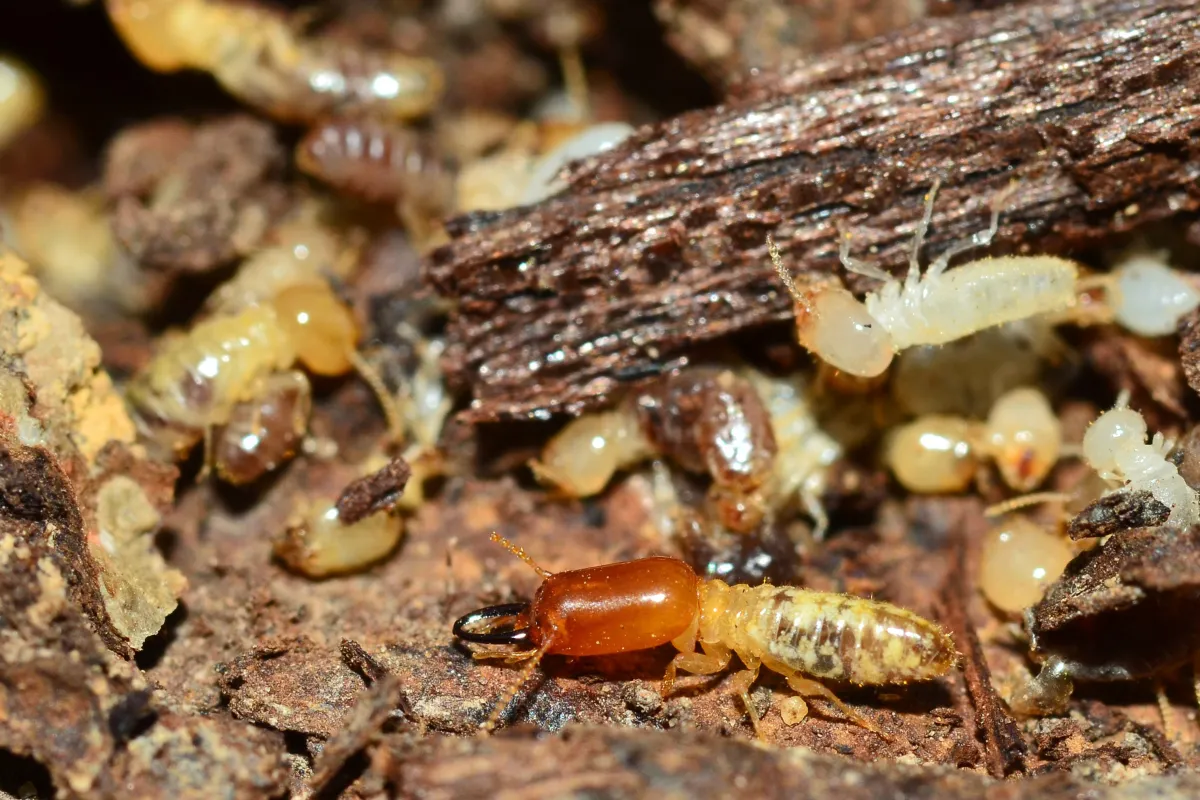
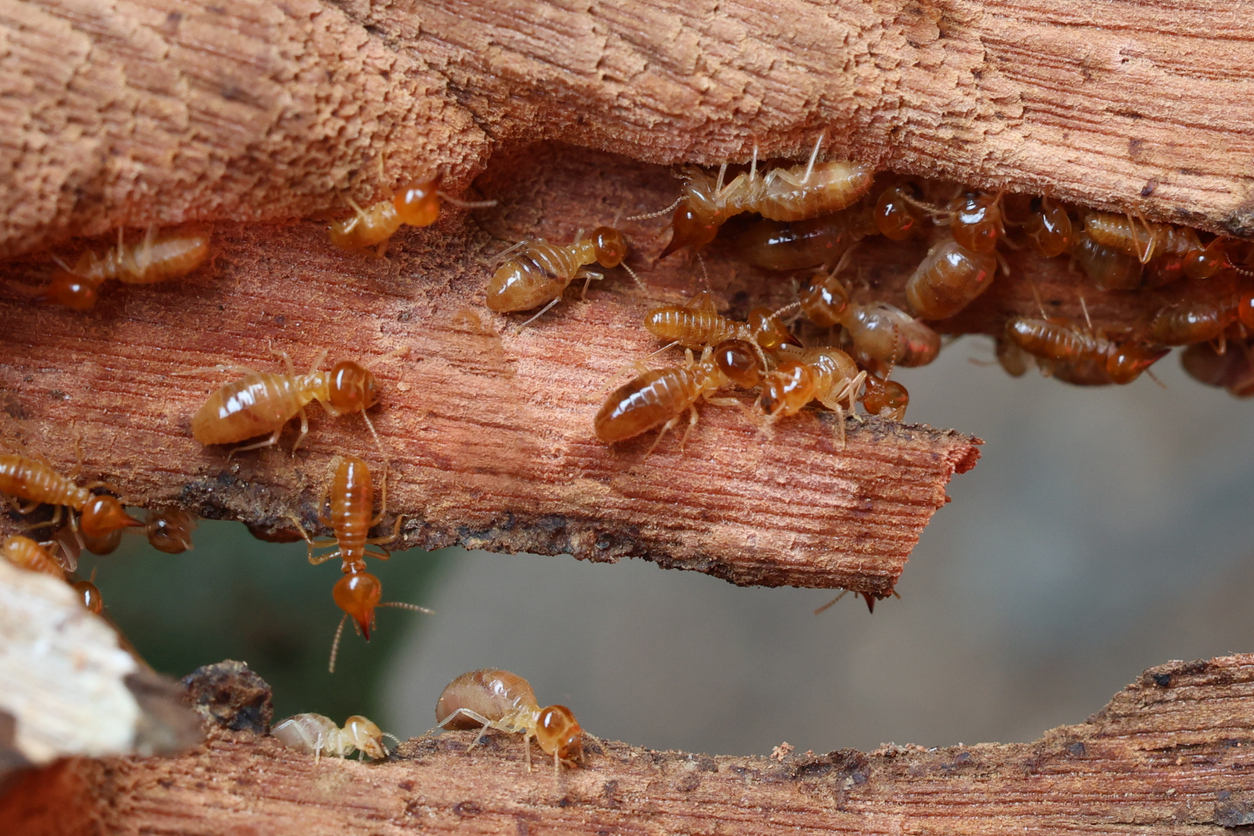
The difficult thing about termites is that they can stay hidden for a long time.
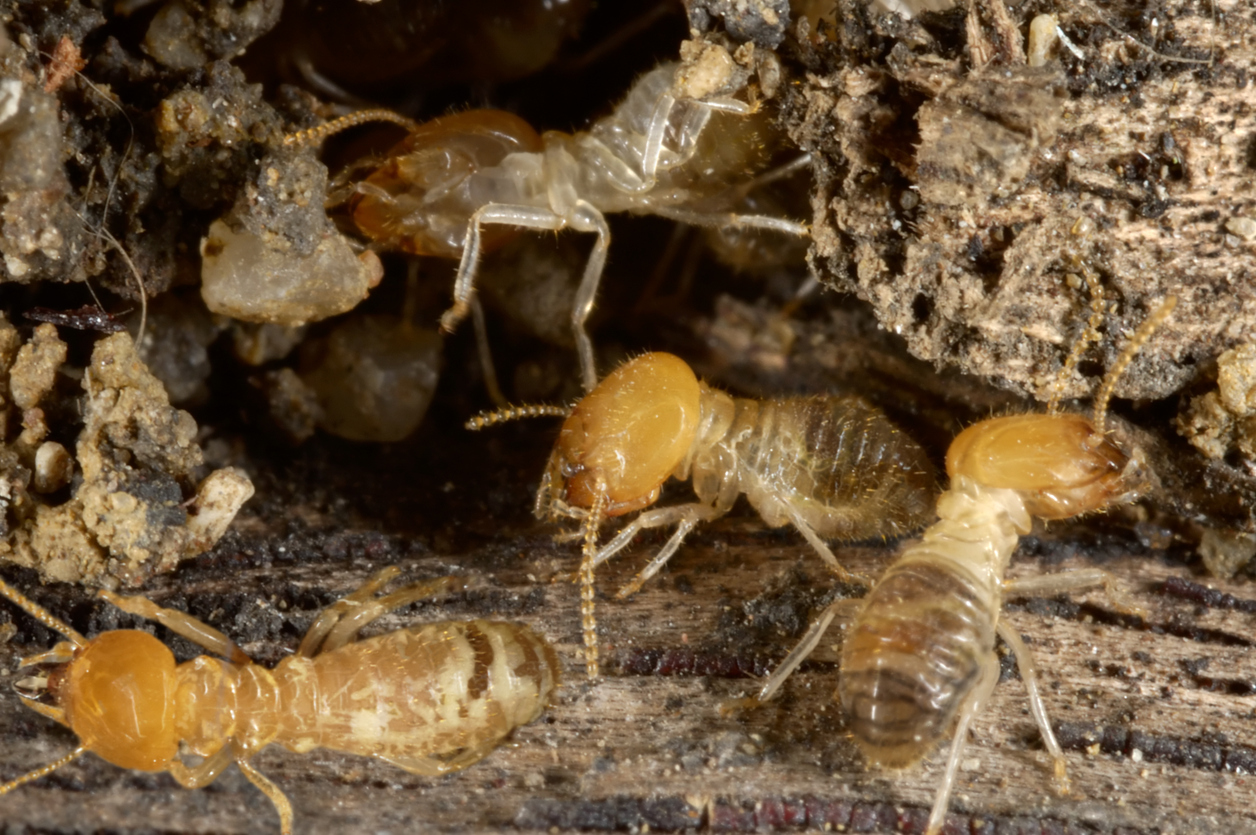
You may not see termites moving around the property, but they can still be active inside timber, walls, subfloors, foundations or other concealed areas.
In this case, some of the timber looked unusual and the surrounding conditions made the area worth checking carefully.
There were also moisture conditions nearby that may have made the area more attractive to termites.
The visible damage was only one part of the concern. I also needed to understand whether termites may have gained access and whether the surrounding property conditions could allow the activity to continue.
This is why termite problems should never be judged only by what you can see from the outside.
The Process
I began by inspecting the area where the owner had noticed the timber changes.
Then I checked the surrounding foundation zones, accessible subfloor areas, exterior walls, timber contact points, nearby drainage conditions and moisture-prone spaces.
I looked for signs such as mud tubes, soft or hollow timber, damaged wood, moisture staining and any conditions that could increase termite risk.
Once I had a clearer understanding of the area, I explained what I found and why the surrounding conditions mattered.
With termites, I never want to guess. The right next step should be based on the property, the level of concern and the conditions that may be increasing the risk.
The goal is not just to identify visible damage. The goal is to understand where termites may be coming from and what needs to happen next.
The Outcome
After the inspection, the owner had a much clearer understanding of what the timber damage could mean and why the surrounding conditions needed attention.
By identifying the warning signs early and reviewing the area properly, we were able to give the owner a clear direction.
They understood which areas should be monitored, what risks were present and what steps could help protect the property moving forward.
The most important result was that the situation was not ignored. Termite concerns are always better checked early because waiting can allow damage to become more serious over time.

DIY Advice
There are several practical things you can do around your property to help reduce termite risk.
Keep the areas around your foundation as dry as possible. Make sure gutters, downpipes and drainage are working properly and water is not sitting around the base of the property.
Avoid storing timber, firewood, cardboard or garden materials directly against exterior walls or foundations.
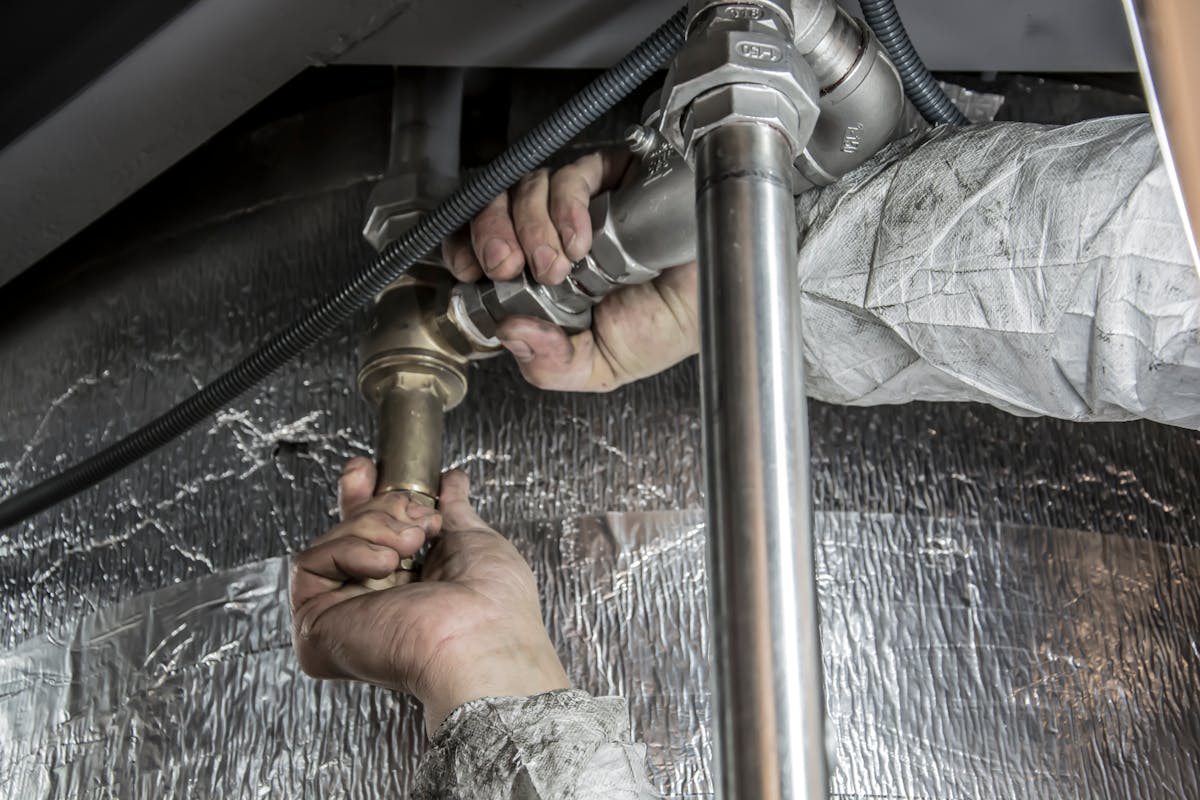
Check for leaking taps, plumbing concerns, damp walls and moisture around kitchens, bathrooms, laundries and subfloor spaces.
If possible, reduce timber-to-soil contact around the property. Decks, fences, garden edging and other wooden structures can create easier access if they are not maintained properly.
Keep inspection areas accessible and avoid covering important foundation or subfloor sections with stored items.
These steps cannot replace a professional termite inspection, but they can help reduce some of the conditions that may attract termites.
"It's brighter than before!"
— Megan
Professional Insight
One of the biggest mistakes property owners make is waiting for obvious termite damage before arranging an inspection.
Termite activity is often hidden behind walls, inside timber or beneath areas that are not always easy to see.
Mud tubes, soft timber, hollow-sounding wood, damaged skirting, moisture issues and unexplained timber damage should not be ignored.
Moisture around foundations, subfloors and timber zones can also raise the risk because termites are often drawn to damp conditions.
If you notice changes around timber, damp areas or damage that does not have a clear explanation, it is worth having the property checked as soon as possible.
Closing Thoughts
Termites can cause serious damage, but early inspection can make a big difference.
If you notice soft timber, mud tubes, damaged wood, moisture issues or changes around timber areas, do not wait too long to have it inspected.
For homes and businesses across Greater Sydney, Bugz Pest Control can help you understand what is happening, what areas may be at risk and what steps can help protect your property.
Thanks for reading,
— Ryan
Services
Address
167 Belgrave Esplanade, Sylvania Waters, Sydney, NSW, 2224
Contact Us
Call: (02) 9522 2333
© 2026 Bugz Pest Control. All Rights Reserved.